By Africa Diplomatic Correspondent
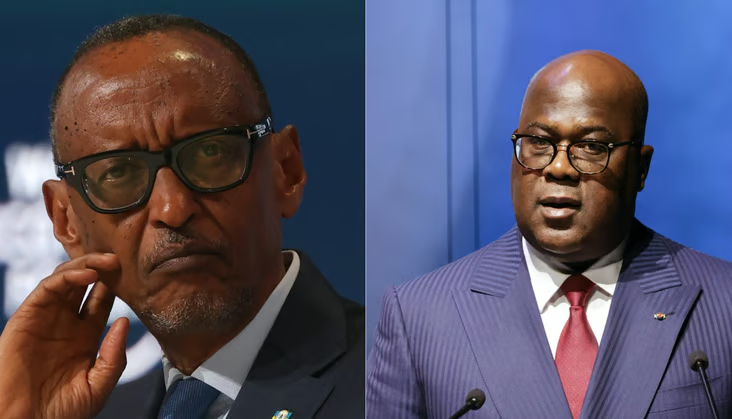
Central Africa faces its gravest security crisis in decades as Rwanda dramatically exits a key regional bloc following international condemnation of its alleged military aggression in eastern Congo, where proxy forces have seized major cities and killed thousands.
Rwanda’s withdrawal from the Economic Community of Central African States (ECCAS) on Saturday represents a dangerous escalation in a conflict that has already displaced millions and now threatens to collapse the region’s diplomatic architecture entirely.
The move came after ECCAS members formally condemned Rwanda as an “aggressor country” and demanded the immediate withdrawal of its forces from Congolese territory.
The crisis reached a breaking point when Rwanda-backed M23 rebels captured eastern Congo’s two largest cities earlier this year, leaving thousands dead and prompting fears of all-out regional warfare.
International observers warn that Rwanda’s exit from ECCAS—a bloc established specifically to prevent such conflicts—signals the complete breakdown of diplomatic restraints that have prevented the violence from spreading beyond Congo’s borders.
“This is no longer just a bilateral dispute,” said regional analysts. “Rwanda’s rejection of multilateral diplomacy removes the last institutional guardrail against a wider regional war.”
The conflict has exposed the fragility of Central Africa’s post-colonial order, with Rwanda accused by Congo, the United Nations, and Western powers of directly supporting M23 through troops and weapons—allegations Kigali continues to deny while claiming self-defense against ethnic Hutu militias linked to the 1994 genocide.
The stakes extend far beyond regional stability. The conflict zone contains some of the world’s largest reserves of critical minerals including cobalt, lithium, and tantalum—essential for global technology and green energy transitions.
The Trump administration is reportedly seeking a peace deal that would unlock billions in Western investment, but Rwanda’s diplomatic withdrawal now threatens those economic prospects.
Rwanda’s foreign ministry condemned what it called Congo’s “instrumentalization” of ECCAS, declaring it saw “no justification for remaining in an organization whose current functioning runs counter to its founding principles.”
The statement suggests Rwanda views the regional bloc as irreparably compromised, potentially paving the way for unilateral military action unconstrained by diplomatic oversight.
As international mediators from Washington and Doha scramble to broker peace, Rwanda’s abandonment of regional diplomacy represents the most serious escalation yet in a conflict that has already destabilized one of Africa’s most strategic regions.
The question now is whether remaining diplomatic channels can prevent a localized rebellion from exploding into Central Africa’s next major war.


Ray ID: 8f3a2c1b9d4e5f6a · Performance & security by Cloudflare
site-verification-ok