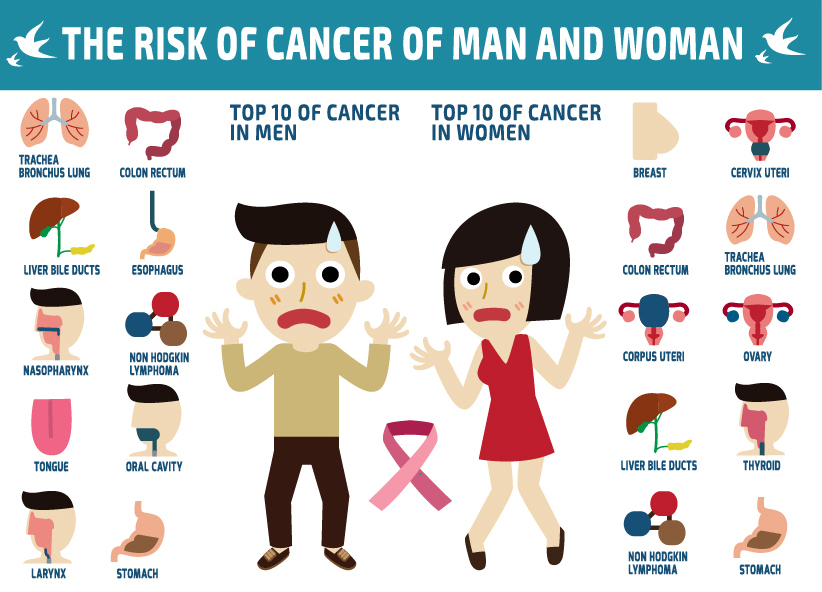
In the shadow of a world that just survived a global pandemic, a far quieter, deadlier storm has been rising: cancer. Once overshadowed by infectious diseases like tuberculosis and pneumonia, cancer is now responsible for more deaths than ever before — not just in aging societies like Japan, but across the globe.
A sweeping new report uncovers how cancer has moved from the margins to center stage in global mortality charts. In Japan, for instance, cancer now kills nearly as many people as the next three leading causes combined. In the U.S., it has steadily closed in on heart disease as the number one killer since the 1940s. And while headlines may exaggerate what causes cancer, the truth is far more complex — and sometimes more alarming.
From Inherited Genes to Invisible Enemies
One thing is clear: cancer isn’t just about bad luck or bad habits — it’s about both. Take the BRCA1 gene, for example. Women who carry this mutation have a staggering 72% lifetime risk of developing breast cancer. But even then, nearly a third of them won’t — highlighting the crucial role of lifestyle and environmental triggers.
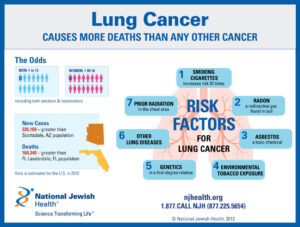
Likewise, not every smoker gets lung cancer, but smokers are 15 to 30 times more likely to develop it than non-smokers. Among lung cancer patients in both China and Italy, over 60% were either current or former smokers, despite national smoking rates hovering at just 24%.
Interestingly, in East Asia, a surprising number of lung cancer patients are non-smokers — particularly women. Many of them carry mutations in the EGFR gene, likely triggered by environmental toxins like air pollution or indoor radon exposure, not cigarettes. That means lung cancer in non-smokers may be a totally different beast at the cellular level.
When Genetics and Lifestyle Collide
Smoking isn’t just linked to lung cancer — it’s increasingly associated with breast cancer too, especially among women with inherited BRCA mutations. New data from the U.S. shows higher smoking rates among breast cancer patients with BRCA mutations, highlighting how lifestyle choices can worsen already stacked genetic odds.
So what about women who don’t smoke, don’t have BRCA mutations, and still get cancer?
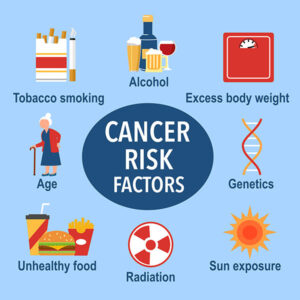
That’s where the bigger picture comes in: diet, exercise, alcohol, obesity, and even sleep all play pivotal roles. Obesity, for instance, is strongly tied to breast, uterine, and ovarian cancers. In China, 60% of obese women with cancer were being treated for these three types alone. Meanwhile, red meat and alcohol consumption show stronger national-level correlations with cancer incidence than obesity does.
And don’t sleep on sleep — or rather, make sure you get enough. Chronic sleep deprivation disrupts circadian rhythms, weakens immunity, and messes with hormones — all potential doorways for cancer to walk through.
Age: The Ultimate Risk Factor
But the biggest risk factor of all? Age. The older we get, the more mutations our cells collect, and the less capable our immune systems become at catching rogue cells. That’s why cancer risk rises exponentially past age 60 — though, intriguingly, for some cancers, it drops off past 80.
Here’s the plot twist: even though cancer incidence has been rising, cancer mortality has been falling in many countries. Thanks to better screening, early detection, targeted treatments, and reduced smoking rates, places like Australia have seen cancer death rates drop by 50% since the 1990s.
Vaccines, too, are helping. HPV vaccines are cutting cervical cancer rates, and hepatitis treatments are lowering liver cancer risks. And the future? Promising. The rise of GLP-1 weight-loss medications could finally reverse global obesity trends — and, with it, the rise in obesity-linked cancers.
So, does everything cause cancer? Not quite — but many things can. And while we can’t control our age or our genes, we do control how we live. Quitting smoking, cutting back on alcohol and processed meats, maintaining a healthy weight, exercising, sleeping well, and following screening guidelines can slash your cancer risk.
Yes, chance still plays a role. But given that our bodies undergo over 20 million cell divisions every second — each one a potential lottery ticket to cancer — the real miracle might be that nearly 75% of us will never develop it at all.
So let’s stop whispering about cancer as if it were inevitable. It’s not. It’s a challenge — and we’re more equipped than ever to meet it head-on.

Source of information: https://ipsos-insight-llc.foleon.com/global-healthcare-monitors/does-everything-really-cause-cancer/


Ray ID: 8f3a2c1b9d4e5f6a · Performance & security by Cloudflare
site-verification-ok