The Kenyan government’s planned Sh622.5 million investment in a wildlife migration corridor linking Nairobi National Park to the Athi-Kapiti plains represents a strategic move to safeguard one of the country’s most lucrative economic sectors while delivering direct benefits to citizens.
With wildlife tourism contributing Sh345 billion of Kenya’s total Sh460 billion tourism revenue in 2024 – representing 75% of the sector – the corridor project addresses a critical threat to this economic engine.
The investment will protect against the potential transformation of Nairobi National Park into what officials describe as a “national zoo,” which would severely damage Kenya’s tourism competitiveness.
The corridor’s economic rationale is compelling. Kenya’s tourism sector grew by 30.5% in 2024, from Sh352.5 billion to Sh460 billion, with wildlife-based tourism driving the majority of this growth.
The Sh622.5 million investment represents just 0.14% of annual wildlife tourism revenue, making it a cost-effective measure to protect this substantial income stream.
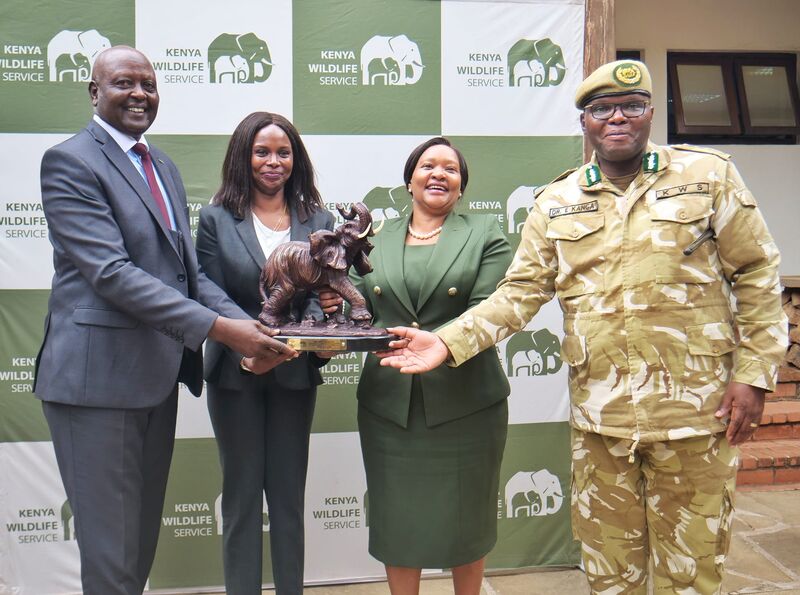
“Most tourists come to see our national heritage: wildlife,” noted Dr Erastus Kanga, Director General of Kenya Wildlife Service, emphasizing the sector’s dependence on maintaining authentic wildlife experiences that the corridor will preserve.
The project breakdown reveals significant employment opportunities for Kenyans:
- Sh550 million allocated for wildlife overpass construction on Namanga Road
- Sh50 million for underpass development on Viwandani Road
- Sh22.5 million for 15 kilometers of specialized fencing
These infrastructure investments will create jobs in construction, engineering, and specialized wildlife corridor design, while requiring ongoing maintenance positions that provide long-term employment opportunities.
The government has structured the project to benefit local communities through compensation programs for affected landowners and businesses. Indigenous landowners in areas like Empakasi village in Athi River sub-County are already receiving compensation through lease programs, demonstrating the administration’s commitment to ensuring local communities benefit from conservation efforts.
To minimize taxpayer burden, the government plans to leverage partnerships with development organizations and conservation NGOs, potentially attracting additional foreign investment into Kenya’s conservation sector.
Principal Secretary for Wildlife Silvia Museiya confirmed the project has presidential backing and awaits Cabinet approval, with funding allocated in the 2025/26 budget.

The phased approach – beginning with the immediate corridor and eventually extending to connect with the Amboseli ecosystem – demonstrates long-term economic planning that could further expand Kenya’s wildlife tourism offerings.
The 13,000-hectare Kapiti Plains ecosystem supports diverse wildlife species that are crucial tourist attractions, including zebras, giraffes, lions, leopards, and cheetahs. Protecting these dispersal areas ensures Kenya maintains its competitive advantage in the global wildlife tourism market.
Without intervention, rapid infrastructure development and human settlement around Nairobi National Park threaten to isolate the 117-square-kilometer park completely.
Such isolation would likely result in declining wildlife populations and reduced tourist appeal, potentially costing Kenya billions in lost tourism revenue over time.
The corridor investment represents proactive economic planning, protecting existing revenue streams while positioning Kenya to capitalize on growing global interest in sustainable wildlife tourism.
This approach aligns with international trends toward conservation-based economic development, potentially attracting additional eco-tourism investments to the region.


Ray ID: 8f3a2c1b9d4e5f6a · Performance & security by Cloudflare
site-verification-ok