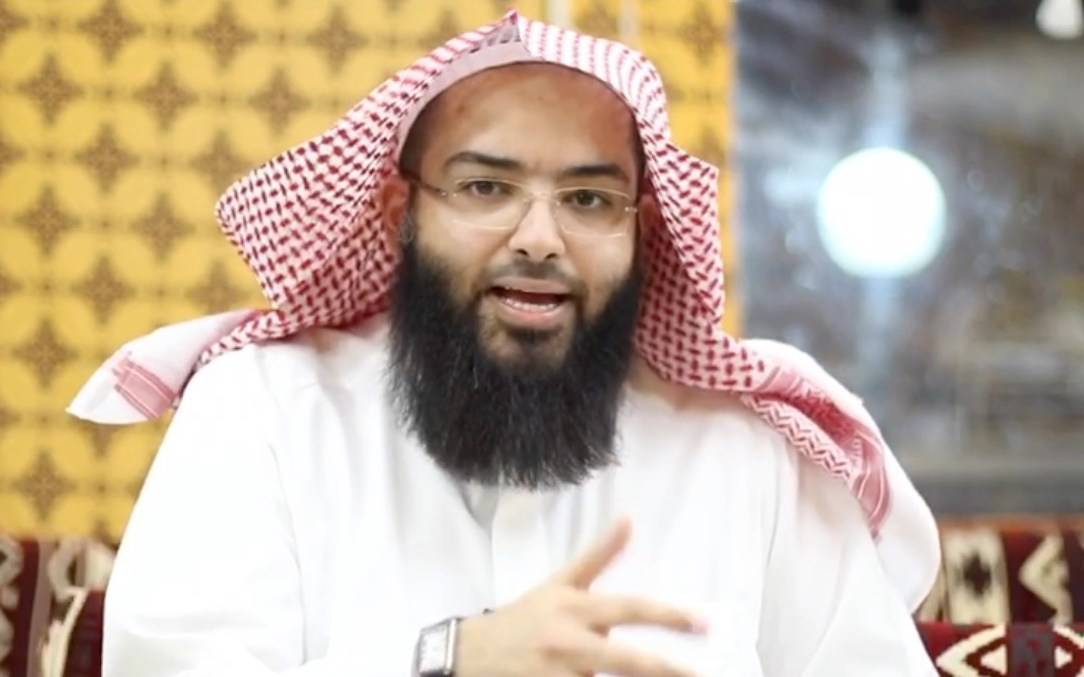
In a devastating blow to Kenya’s counter-terrorism credibility, authorities have secretly removed Hajjaj Bin Fahd Al Ajmi from the country’s terror watch list – the same individual who masterminded one of the most sophisticated social media terror financing operations in modern history, raising millions of dollars for Al-Qaeda affiliates in Syria.
Previously classified intelligence reports reveal the shocking extent of Al Ajmi’s operations. This wasn’t some minor figure caught up in bureaucratic overreach – this was a calculated terrorist financier who weaponized social media to fund jihad on an industrial scale.
According to US Treasury Department intelligence from 2016, Al Ajmi operated a vast network that “collected hundreds of millions of dollars through regular fundraising events held at homes or mosques and through social media pleas.”
His sophisticated operation used “couriers, wire transfers, hawalas, and exchange houses to move those funds to Syria, often to extremists.”
The evidence is damning:
- June 2012: Launched the “Popular Commission in Support of the Syrian Revolution”
- August 2013: Al-Qaeda’s media office officially directed supporters to Al Ajmi’s Twitter account for donations
- Mid-2013: Coordinated Gulf-based social media campaigns with co-facilitators
- 2016: Sanctioned by both UN and US governments for terror financing
Intelligence documents expose how Al Ajmi pioneered what experts called “financial jihad” – using platforms like Twitter, Instagram, and YouTube to turn ordinary social media users into unwitting terror financiers.
The operation was breathtakingly brazen:
- Published YouTube videos showing militants personally thanking Al Ajmi for his financial support
- Used Instagram to document his presence in Syria alongside armed groups
- Coordinated with Al-Nusra Front (Al-Qaeda’s Syrian affiliate) media operations
- Ran sophisticated hashtag campaigns to reach potential donors globally
As former US Under Secretary for Terrorism and Financial Intelligence David Cohen warned in 2014: “social media allows anyone with an Internet connection to set himself up as an international terrorist financier.”
Al Ajmi was the poster child for this new digital threat.
The international sanctions regime had successfully disrupted Al Ajmi’s operations. His personal social media accounts were suspended, his financial networks were frozen, and his ability to operate was severely constrained.
Until June 10, 2025, when Kenya quietly set him free.
The government’s decision to delist Al Ajmi becomes exponentially more scandalous when viewed against this background. This wasn’t some bureaucratic correction of an administrative error – this was the deliberate removal of restrictions on a proven terror financier whose operations had been meticulously documented by multiple intelligence agencies.
The fact that Director General Saitoti K. Maika signed off on this delisting without providing any public explanation becomes not just negligent, but potentially criminal in its recklessness.
Given Al Ajmi’s documented history, Kenya’s secret delisting raises explosive questions:
1. Where is the evidence of rehabilitation and what proof exists that someone who spent years perfecting terror financing techniques has genuinely abandoned these activities?
2. Who authorized this decision or which officials in the Counter Financing of Terrorism Inter-Ministerial Committee voted to free a documented Al-Qaeda financier?
3. Was this coordinated internationally and did the US and UN also remove Al Ajmi from their sanctions lists, or is Kenya acting unilaterally?
4. What safeguards and monitoring mechanisms exist or are in place to prevent Al Ajmi from resuming his terror financing activities?
5. If Al Ajmi returns to terror financing, who will be held responsible for this decision?
Intelligence reports from 2016 warned that Al Ajmi “quickly reemerged on the same social media platforms” after his initial accounts were suspended. His co-facilitators “remained active without interruption.”
The threat assessment was clear: traditional terrorist financiers like Al Ajmi don’t simply disappear – they adapt, evolve, and find new ways to exploit digital platforms for their operations.
Yet Kenya’s government apparently believes this threat has magically evaporated.
The delisting of Al Ajmi sets a terrifying precedent. If someone with his documented history of terror financing can be quietly removed from watch lists without explanation, what does this say about Kenya’s commitment to fighting terrorism?
The intelligence community spent years building cases against sophisticated terror financiers like Al Ajmi. Kenya has now unraveled that work with a single administrative decision, made in secret, without accountability.
Kenya’s decision to free Al Ajmi sends a chilling message to international partners about the country’s reliability as a counter-terrorism ally. If documented terror financiers can be quietly delisted without explanation, what confidence can international partners have in Kenya’s commitment to global security?
This decision potentially undermines years of international cooperation and intelligence sharing, making Kenya a potential safe haven for individuals who were previously constrained by international sanctions.
The most damning aspect of this scandal is how it exposes the complete breakdown of democratic accountability in Kenya’s security apparatus. The same government that warns financial institutions about “non-compliance” being “an offence” apparently believes it can free documented terror financiers without explaining itself to the public.
This represents a fundamental betrayal of democratic governance and public trust.
Even now, faced with evidence of Al Ajmi’s extensive terror financing background, the government continues to hide behind bureaucratic opacity. The Counter Financing of Terrorism Inter-Ministerial Committee operates like a shadow government, making decisions that should be subject to parliamentary oversight and public scrutiny.
This scandal demands immediate action:
- Parliament must launch a full investigation into the delisting decision
- The Director of Public Prosecutions should examine whether any laws were broken
- International partners must clarify their positions on Al Ajmi’s status
- The public deserves a full accounting of how a documented terror financier was quietly set free
Kenya has secretly removed a proven Al-Qaeda financier from its terror watch list without providing any public explanation. This isn’t administrative efficiency – it’s a potential national security disaster wrapped in bureaucratic secrecy.
The question isn’t whether Hajjaj Bin Fahd Al Ajmi has been rehabilitated – it’s whether Kenya’s counter-terrorism apparatus has completely abandoned its responsibility to protect the public from documented threats.
Until the government provides full transparency about this decision, every Kenyan should assume that their safety is being compromised by officials who believe accountability is optional and terror financing is forgivable.
Photos Credits: The Camstoll Group, Terrorist Financing & Social Media report, 2016.


Ray ID: 8f3a2c1b9d4e5f6a · Performance & security by Cloudflare
site-verification-ok