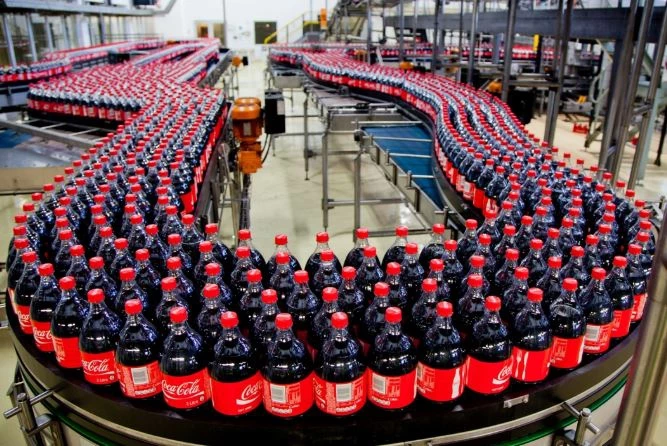
Kenya’s largest soft drink bottler has lost its high-stakes attempt to claw back nearly Ksh 59 million in taxes, after the High Court sided with the Kenya Revenue Authority (KRA) over complex ownership rules involving the company’s global Coca-Cola group structure.
Nairobi Bottlers Limited, part of the Coca-Cola Beverages Africa network, paid the money in 2018 as withholding tax on fees paid to Coca-Cola Sabco (Pty) Limited, its related bottling affiliate based in South Africa.
The payments covered technical services and IT support charges that the company argued should have been exempt under the Kenya–South Africa Double Tax Agreement (DTA).
The company discovered the payments were made in error and applied for a refund — but KRA rejected the claim, saying that Coca-Cola Sabco did not qualify for treaty relief because it failed Kenya’s “ownership test”.
Under Kenyan law, if more than half of a foreign company’s underlying ownership is held by non-residents of its home country, treaty benefits don’t apply.
In this case, the court heard that Coca-Cola Sabco is majority-owned (67.5%) by Coca-Cola Company USA — the global soft drinks giant — meaning its South African status does not help it pass Kenya’s strict ownership rules.
Nairobi Bottlers argued that a “company” should not count the same as an “individual” under the law’s definition of ownership — but the court found that the Income Tax Act includes both companies and people as “persons.”
Justice B.K. Njoroge dismissed the bottler’s appeal, siding with the Tax Appeals Tribunal’s earlier decision that the refund could not be given because the affiliate did not qualify for DTA benefits.
Nairobi Bottlers, which bottles Coca-Cola drinks for the local market, is part of a complex shareholding structure that ultimately leads back to Coca-Cola Company USA.
This global link, which is the backbone of the brand’s success, became the very reason its refund claim collapsed: it failed to show that its payments qualified for tax relief under the treaty.

Tax analysts say the case is a warning to multinationals that cross-border payments between related companies are now under stricter scrutiny — especially when ownership structures stretch across multiple countries.
The High Court ordered each side to pay its own costs. But for Nairobi Bottlers, the lesson is clear: when it comes to tax treaties, ownership matters. One misstep can mean millions lost in refunds — and more headaches down the line.


Ray ID: 8f3a2c1b9d4e5f6a · Performance & security by Cloudflare
site-verification-ok