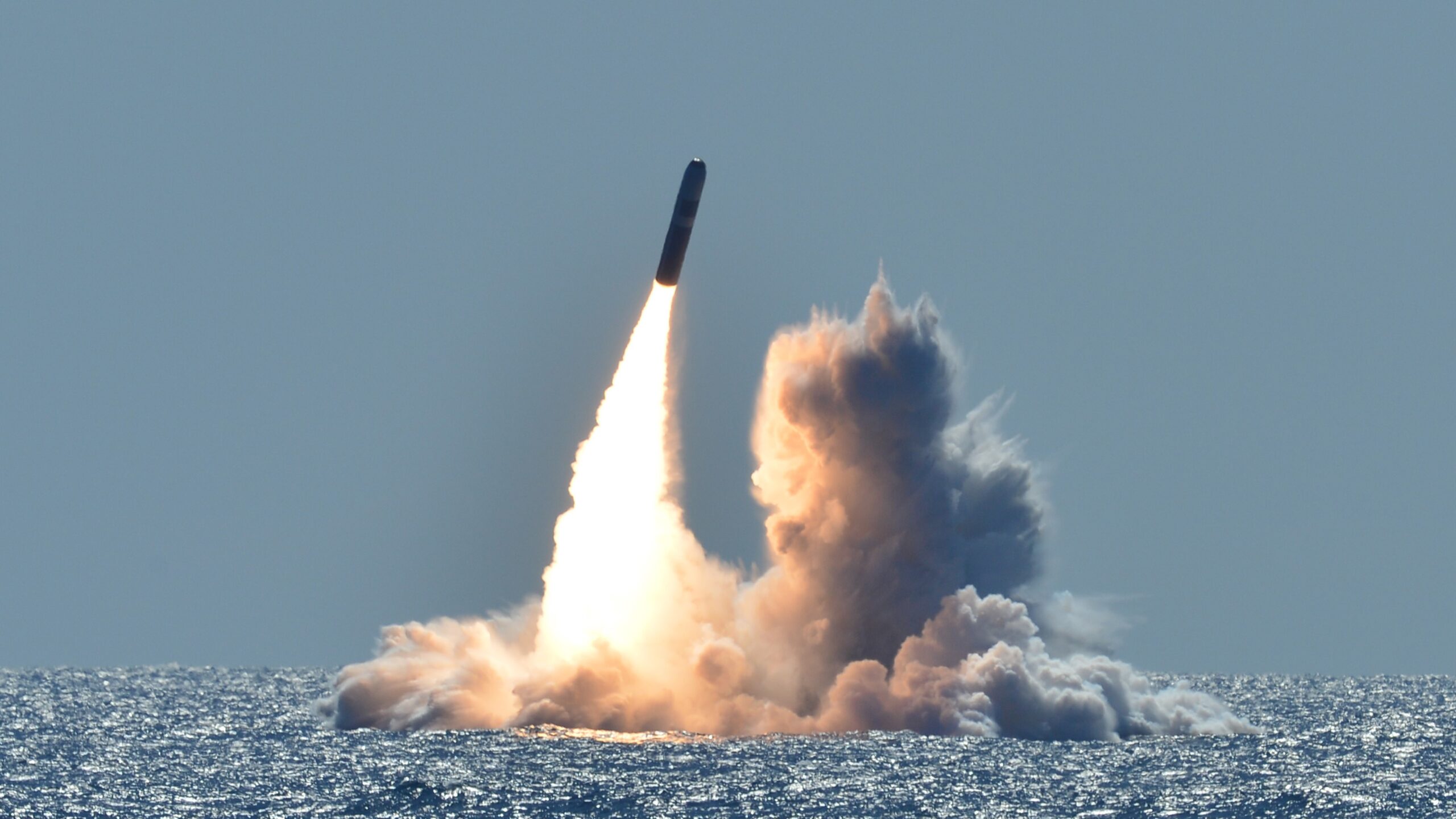
Eighty years after the United States dropped atomic bombs on Hiroshima and Nagasaki, killing an estimated 214,000 people by year’s end, the world’s nuclear arsenals continue to grow—with China leading a troubling expansion in 2024.
New data from the Stockholm International Peace Research Institute (SIPRI) reveals that nine countries now possess a combined 9,614 nuclear warheads in active military stockpiles, with an additional 2,627 retired weapons awaiting dismantlement.
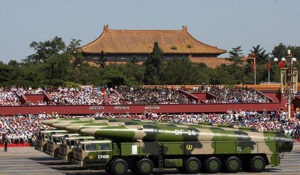
The most dramatic change comes from China, which expanded its nuclear arsenal by 100 warheads since January 2024—a 20% increase that brings Beijing’s total to 600 nuclear weapons. This represents the largest single-year expansion by any nation in the current global inventory.
“China’s nuclear modernization program is advancing more rapidly than many analysts anticipated,” said defense experts tracking the buildup. The expansion reflects Beijing’s broader military modernization efforts as tensions rise in the South China Sea and over Taiwan.
India also grew its nuclear capabilities, adding eight warheads to reach an estimated 180 weapons—continuing the arms race dynamic that has defined South Asian nuclear politics since both countries conducted nuclear tests in 1998.
Despite reductions from their Cold War peaks, Russia and the United States continue to dwarf all other nuclear powers, controlling 8,009 of the world’s 9,614 warheads—more than 83% of the global total.
Russia maintains the largest arsenal with 4,309 nuclear weapons, though this represents a decrease of 71 warheads from 2024. The United States follows with 3,700 warheads, down by eight from the previous year.
These reductions reflect ongoing implementation of arms control treaties, though both superpowers retain enough nuclear firepower to destroy civilization multiple times over.
France and the United Kingdom, the world’s third and fifth-largest nuclear powers respectively, have maintained steady arsenals. France possesses 290 nuclear warheads while Britain holds 225, with neither country showing changes since 2024.
Together, these European allies control 515 operational nuclear weapons, representing the continent’s contribution to NATO’s nuclear umbrella.
Israel, which maintains a policy of nuclear ambiguity, is estimated to possess 90 warheads, unchanged from previous assessments. Pakistan holds 170 nuclear weapons, also stable since 2024.
North Korea rounds out the nuclear club with an estimated 50 warheads. The hermit kingdom remains the only nation to have conducted nuclear tests since the 1990s, with its most recent detonation occurring in 2017.
As the world marks the 80th anniversary of the Hiroshima bombing on August 6, 1945, the expansion of global nuclear arsenals serves as a sobering reminder that the nuclear age’s dangers persist.
The atomic bomb dropped on Hiroshima instantly killed tens of thousands, with many more dying from radiation sickness in the months that followed. A second bomb three days later devastated Nagasaki. Survivors, known as hibakusha, continue to advocate for nuclear disarmament as living witnesses to the weapons’ horrific human cost.
Today’s nuclear weapons are far more powerful than those that destroyed Hiroshima and Nagasaki, yet they remain deployed and ready for potential use in conflicts around the globe.
The International Day against Nuclear Tests, observed annually on August 29, serves as another reminder of the ongoing global effort to prevent nuclear weapons testing and ultimately achieve nuclear disarmament—a goal that appears increasingly distant as arsenals expand rather than shrink.


Ray ID: 8f3a2c1b9d4e5f6a · Performance & security by Cloudflare
site-verification-ok