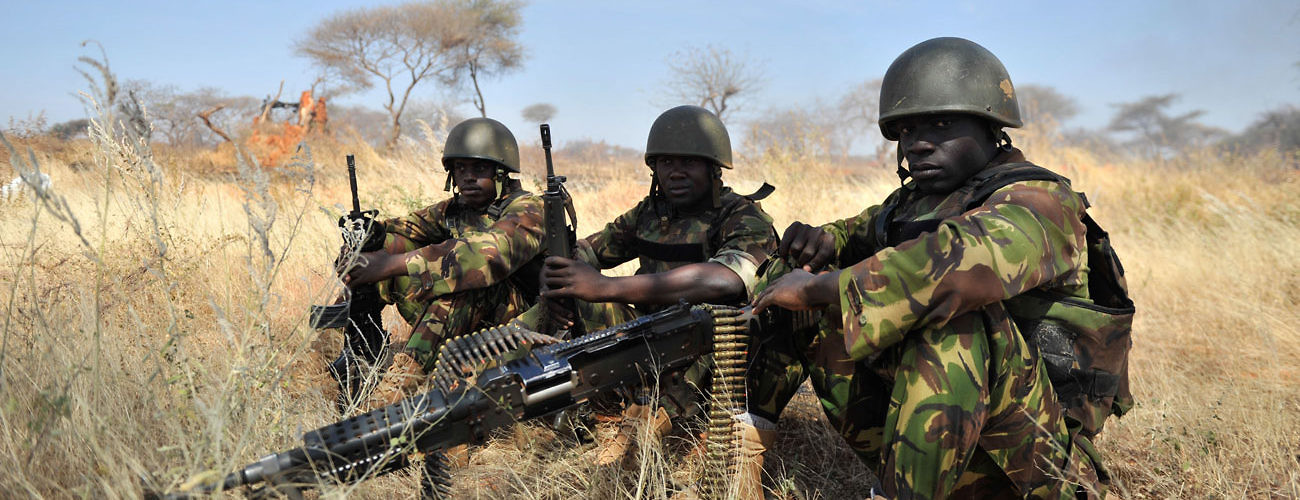
(Disclaimer: Names of soldiers interviewed for the story withheld due to security reasons)
The phone call came at 2 AM. Lieutenant Samuel Kiprotich’s wife was crying—the bank was threatening to auction their family home. The meal allowance he’d used as collateral for an emergency loan six months earlier had spiraled into a financial nightmare that now threatened to destroy everything he’d worked for in his 12-year military career.
Kiprotich’s story isn’t unique. Across Kenya’s military bases, a silent financial crisis has been brewing—one so severe that it forced the Kenya Defence Forces into implementing radical changes that have fundamentally altered how the country’s military operates and spends taxpayer money.
Behind the sanitized language of the newly implemented Pay-As-You-Eat (PAYE) system lies a devastating reality: Kenya’s soldiers have been drowning in debt, using their meal allowances—money meant to feed them—as collateral for increasingly desperate loans.
“We started seeing it everywhere,” reveals a senior military financial officer who spoke on condition of anonymity. “Young soldiers taking shylocks loans against their meal money just to pay school fees, medical bills, or family emergencies. Some were trapped in cycles where they couldn’t even afford lunch because their allowance was servicing debt.”
The numbers tell a stark story. Internal KDF reports suggest that over 40% of junior personnel had committed their meal allowances to various forms of credit, creating a hidden financial emergency within Kenya’s defense forces that threatened operational readiness and soldier welfare.
The meal cash allowance, introduced in 2000 when the military stopped providing breakfast and dinner, had become an unintended financial instrument. At roughly Ksh 15,000 monthly for junior officers, it represented predictable income that lenders eagerly accepted as security.
“The irony was cruel,” explains Dr. Margaret Wanjiku, a military finance researcher at the University of Nairobi. “Money designed to ensure soldiers could eat became the very reason they couldn’t afford food.”
Commercial banks, microfinance institutions, and informal lenders had all discovered this lucrative market. Military personnel, with their stable employment but modest salaries, became prime targets for credit products that often carried predatory terms.
The financial pressure on military families has created ripple effects throughout Kenya’s economy. Defence Savings and Credit Co-operatives Society (Desacco), the military’s own financial institution, has seen loan applications surge by 300% since 2020, with meal allowances increasingly used as primary collateral.
“We were watching our own people destroy their financial futures,” says a Desacco official. “Families going without basic necessities because the breadwinner’s food money was tied up servicing debt. Children dropping out of school. It was heartbreaking.”

The crisis reached a tipping point when reports emerged of soldiers going without meals entirely—not because food wasn’t available, but because their allowances were locked in loan agreements they couldn’t escape.
The KDF’s response—locking half of meal allowances in a digital app and routing payments through Desacco—represents more than administrative change. It’s a fundamental shift in how Kenya manages defense expenditure and soldier welfare, with implications that extend far beyond military barracks.
The reforms are expected to affect approximately Ksh 2.4 billion annually in meal allowances across the KDF’s roughly 24,000 personnel. But the broader economic impact could be even more significant as the military moves to eliminate what officials describe as “leakages and inefficiencies” in the traditional food subsidy system.
“This is essentially the militarization of financial inclusion,” notes economist Dr. James Shikwati. “By forcing meal allowances through controlled channels, KDF is creating a captive financial ecosystem that could reshape how defense personnel interact with the broader economy.”
For families like the Kiprotich’s, the changes represent both hope and uncertainty. While the new system may prevent future debt traps, it doesn’t address existing obligations that continue to strain military households.
“I understand why they did it,” Kiprotich reflects, “but it doesn’t solve my current problem. I still owe money I borrowed against allowances I can no longer access freely. My family is still at risk.”

The reforms have created a complex transition period where soldiers must navigate both old debt obligations and new spending restrictions, often with limited financial literacy support.
The PAYE system is already disrupting established business relationships around military installations. Informal lenders who thrived on meal allowance-backed loans are scrambling to adapt, while formal financial institutions are reassessing their military market strategies.
Local businesses near barracks report concerns about reduced spending power among junior military personnel, while food vendors are uncertain about the long-term implications of the digitized meal system.
“It’s a complete market reset,” observes business analyst Peter Mwangi. “The informal economy around military bases has to completely restructure how it operates.”
The KDF Booking Meal App, while addressing immediate financial challenges, represents Kenya’s military entering uncharted territory in defense administration technology. The success or failure of this digital solution could influence how other government institutions approach subsidy and allowance management.
Early implementation challenges have included technical glitches, user training needs, and resistance from personnel accustomed to direct cash access. But military leadership views these as growing pains in a necessary transformation.

Beyond its immediate financial implications, the meal allowance reform serves as a litmus test for KDF’s ability to implement broader modernization initiatives. Success here could pave the way for digitization of other military administrative processes, while failure might reinforce resistance to change.
The international military community is watching closely. If Kenya’s experiment succeeds, it could become a model for other developing nations struggling with similar challenges in military personnel management and financial security.
As Lieutenant Kiprotich reports for duty each morning, he represents thousands of military personnel navigating this unprecedented change. His family’s financial future—like that of many military families—now depends not just on his service to country, but on how successfully Kenya’s military can balance financial innovation with human dignity.
The PAYE system may have solved one problem, but it has also highlighted the complex relationship between military service, personal finance, and family welfare in modern Kenya. The true measure of its success won’t be found in efficiency reports or budget savings, but in whether soldiers like Kiprotich can finally sleep peacefully, knowing their families’ security isn’t threatened by the very system meant to support them.
The experiment continues, with the lives and livelihoods of Kenya’s defenders hanging in the balance.


Ray ID: 8f3a2c1b9d4e5f6a · Performance & security by Cloudflare
site-verification-ok