By UG Correspondent
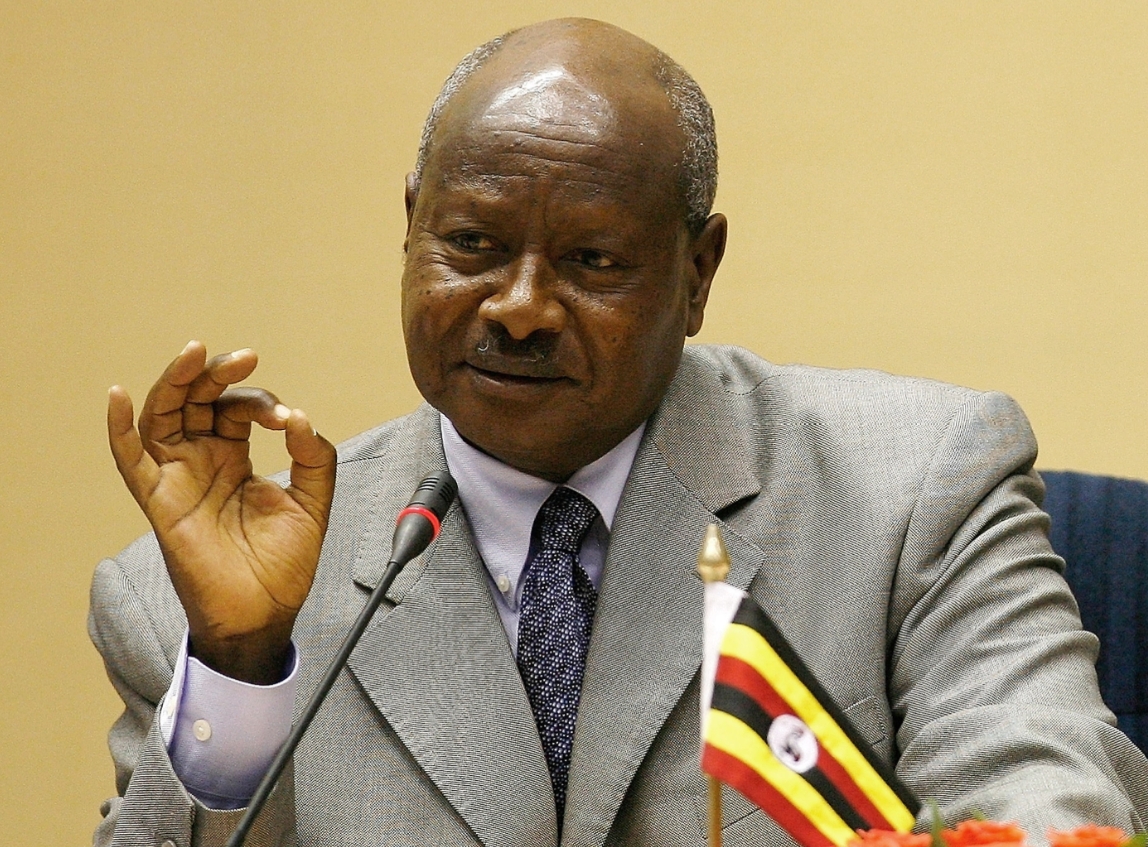
KAMPALA, UGANDA – In a stunning move that has sent shockwaves through Uganda’s legal system and international community, President Yoweri Museveni has signed into law legislation that directly contradicts his own country’s Supreme Court ruling, effectively placing civilians under military jurisdiction in what legal experts are calling a “constitutional coup.”
What initially appeared to be routine legislative proceedings has revealed itself as something far more sinister.
Behind closed doors, the Museveni administration orchestrated a calculated dismantling of civilian judicial protections, using the controversial UPDF (Amendment) Bill 2025 as a weapon against the very foundations of Uganda’s legal system.
“This wasn’t just about expanding military court jurisdiction – it was about creating a parallel legal system where the executive branch could bypass civilian courts entirely, rendering the Supreme Court’s authority meaningless,” legal experts say.
Sources close to the parliamentary proceedings reveal that the bill’s passage was anything but democratic.
Opposition members didn’t just walk out in protest – they fled what they described as a “legislative ambush” designed to strip away fundamental constitutional protections while the public remained unaware of the bill’s true implications.
According to TCPN legal advisor, the most explosive revelation was that the bill deliberately left critical definitions vague – what constitutes “exceptional circumstances” and “military attire” – creating loopholes so wide that virtually any civilian could be dragged before a military tribunal at the government’s discretion.
President Museveni’s public justification for the law has been exposed as a masterclass in political misdirection.
While claiming the bill would prevent “serious collisions” between institutions, internal documents suggest the real motivation was far more personal: ensuring that high-profile opposition figures like Kizza Besigye could never again escape military prosecution through civilian court interventions.
The president’s praise for “friendly opposition” legislators who supported the bill has raised questions about potential vote-buying or coercion within parliament, with several MPs reportedly receiving mysterious payments just days before the vote.
Legal scholars are calling this the most significant constitutional crisis in Uganda’s modern history.
By signing legislation that directly contradicts a Supreme Court ruling made just months earlier, Museveni has essentially declared that executive power supersedes judicial authority – a move that transforms Uganda from a constitutional republic into what critics are calling a “military state.”
The implications are staggering that any civilian who opposes the government, wears clothing deemed “military-like,” or finds themselves in “exceptional circumstances” could now face trial in military courts where civilian legal protections don’t apply.
The international community is reeling from this unprecedented assault on judicial independence. What began as a local political dispute has evolved into a crisis that threatens the very concept of separation of powers in East Africa.
This shocking revelation exposes not just a single controversial law, but a systematic campaign to consolidate power by neutralizing the one institution that could hold the executive accountable: the civilian courts.
“As Uganda’s constitutional crisis deepens, one thing has become clear – the country’s 39-year strongman has just declared war on his own Supreme Court, and the casualties will be the fundamental rights of every Ugandan civilian,” TCPN legal experts believe.


Ray ID: 8f3a2c1b9d4e5f6a · Performance & security by Cloudflare
site-verification-ok