
Kenyan women are set to gain access to a revolutionary contraceptive technology that could fundamentally change how they approach family planning.
The Gates Foundation has announced the introduction of an innovative hormonal intrauterine device (IUD) that provides protection for up to eight years—making it one of the longest-lasting reversible contraceptives ever developed.
The cutting-edge device works by releasing progestin, a synthetic hormone that creates a protective barrier in the reproductive system.
Once inserted into the uterus, it continuously releases controlled amounts of the hormone, which thickens cervical mucus to prevent sperm from reaching and fertilizing eggs.
While most contraceptives require daily attention or frequent medical visits, this single insertion provides reliable protection for nearly a decade—offering unprecedented freedom and peace of mind for women planning their futures.
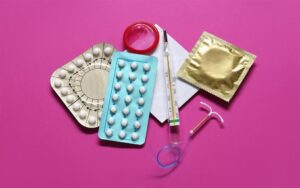
The introduction of this contraceptive is part of a massive Sh324 billion ($2.5 billion) commitment by the Gates Foundation to revolutionize women’s health globally. This represents one of the largest private investments in women’s health research and development in history.
“Today, women’s health issues are still misunderstood, misdiagnosed, or ignored,” explained Women’s Health Innovations Director Ru-fong Joanne Cheng.
“Although women generally live longer than men, they spend 25 percent more of their lives in poor health.”
The staggering statistic reveals a hidden health crisis that despite living longer, women worldwide experience significantly more years of poor health compared to men. This groundbreaking investment aims to address these disparities head-on.
Kenya is among the first countries selected for this health innovation rollout, alongside Nigeria and potentially India. The choice reflects these nations’ critical roles as testing grounds for technologies that could eventually benefit millions of women worldwide.
The foundation isn’t stopping with the 8-year IUD. Plans include expanding access to self-injectable contraceptives (DMPA-SC) to at least 35 countries across Africa, including Uganda, Senegal, Malawi, Nigeria, Zambia, and the Democratic Republic of Congo. This self-administration option could be particularly transformative in areas where regular healthcare access is limited.

What sets this contraceptive apart is its “user-centered” design philosophy. Traditional contraceptives often fail because they don’t align with women’s actual lifestyles, economic situations, or healthcare access. This device was specifically engineered to be affordable and practical for women in underserved communities.
The eight-year protection period means fewer medical visits, reduced long-term costs, and greater autonomy over reproductive choices. For women in rural areas or those with limited healthcare access, this could be life-changing.
This contraceptive launch is part of a broader mission to address a global maternal health emergency. Dr. Anita Zaidi, head of the Gender Equality Division, emphasized that the funding builds on 25 years of foundation work aimed at ending preventable deaths of mothers and babies by 2045.
The initiative targets multiple health challenges simultaneously: improving maternal health outcomes, eliminating deadly infectious diseases, and lifting millions out of poverty through better reproductive health choices.

For Kenyan women, this development represents more than just a new contraceptive option—it’s a potential catalyst for economic empowerment and health autonomy. The ability to reliably plan families over extended periods can enable women to pursue education, build careers, and make long-term life decisions with greater confidence.
The rollout beginning later this year will likely start in select healthcare facilities before expanding nationwide, following typical medical device introduction protocols.
This 8-year contraceptive represents a paradigm shift in how we think about women’s reproductive health. Instead of requiring constant management and frequent interventions, it offers a “set it and forget it” approach that aligns with the reality of women’s complex lives.
As Kenya prepares for this healthcare innovation, the global health community is watching closely. Success here could pave the way for similar revolutionary approaches to women’s health challenges worldwide, potentially transforming the lives of millions of women who have been underserved by traditional healthcare systems.
The message is clear: women’s health innovation is not just about medical devices—it’s about recognizing that when women have better health choices, entire communities benefit. This 8-year contraceptive could be the beginning of a new chapter in global women’s health equality.



Ray ID: 8f3a2c1b9d4e5f6a · Performance & security by Cloudflare
site-verification-ok