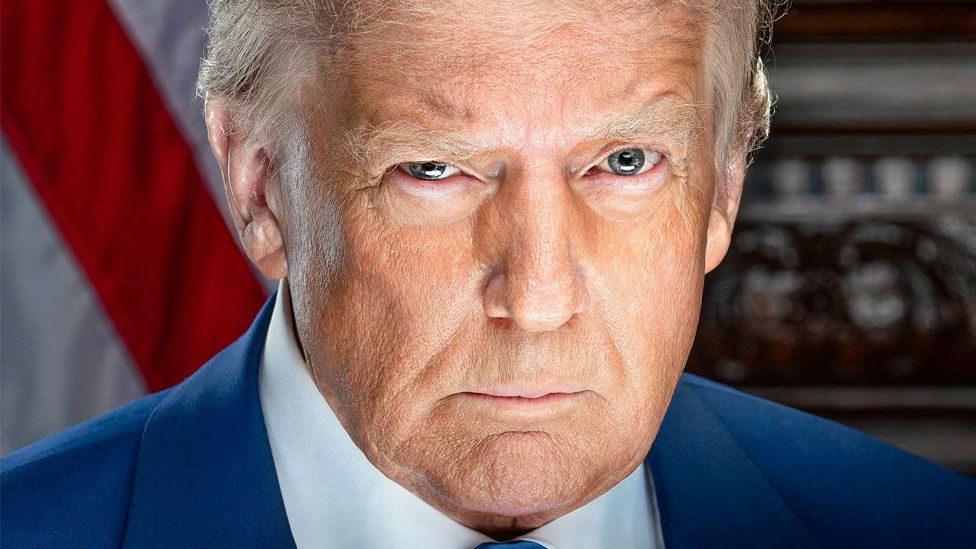
US President Donald Trump is facing mounting criticism from politicians across party lines after his administration refused to release secret government files related to Jeffrey Epstein, a wealthy businessman who died in prison while facing serious criminal charges.
The controversy mirrors transparency battles familiar to Kenyan readers, where politicians often promise to fight corruption during campaigns but struggle to deliver once in power.
Epstein, who moved in circles of powerful American politicians and business leaders, was accused of running a network that exploited young women. He died by suicide in 2019 while awaiting trial, but questions remain about who else was involved in his activities.
During his campaign, Trump promised to release all files related to the case, including what supporters believed was a “client list” of powerful men. However, his Justice Department recently announced they were closing the case and would not release additional documents, claiming there was insufficient evidence to pursue further prosecutions.
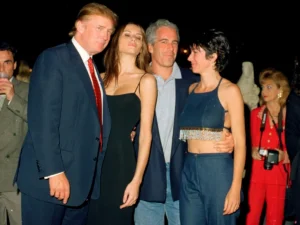
This has angered many of Trump’s supporters who feel betrayed. “I think it’s a good start, but we need to see more files released,” said Republican Representative Tim Burchett, reflecting widespread frustration with the administration’s handling of the matter.
The situation has created an unusual alliance between Trump’s Republican supporters and Democratic opponents, both demanding transparency—similar to how corruption cases in Kenya sometimes unite politicians across party lines when the public demands accountability.
Central to the controversy is Maria Farmer, who says she reported concerns about Epstein to FBI agents in 1996 and 2006. She claims she told investigators about a troubling encounter with Trump in Epstein’s New York office in 1995, where she felt unsafe and heard Trump comment about her appearance.
While law enforcement has never accused Trump of criminal wrongdoing, Farmer’s testimony suggests his name appears in secret investigative files that remain unreleased.
Her persistence in speaking out, despite facing criticism, mirrors the courage shown by Kenyan women who have reported powerful men for inappropriate behavior, often finding their complaints dismissed due to the accused person’s social status.
The American controversy offers important lessons for Kenya’s democratic development. It shows how transparency promises made during campaigns can return to haunt politicians, and demonstrates that sustained public pressure can keep accountability issues alive even when powerful figures try to bury them.
As Kenya continues strengthening its democratic institutions, the American experience serves as both inspiration and warning about the complex relationship between power, justice, and public demands for truth.


Ray ID: 8f3a2c1b9d4e5f6a · Performance & security by Cloudflare
site-verification-ok