Kenya’s ambitious $378 million (Sh54 billion) electricity infrastructure investment is on track to deliver substantial economic returns by extending grid connectivity from 77% to 83% of the national market before year-end, according to senior government officials overseeing the project portfolio.
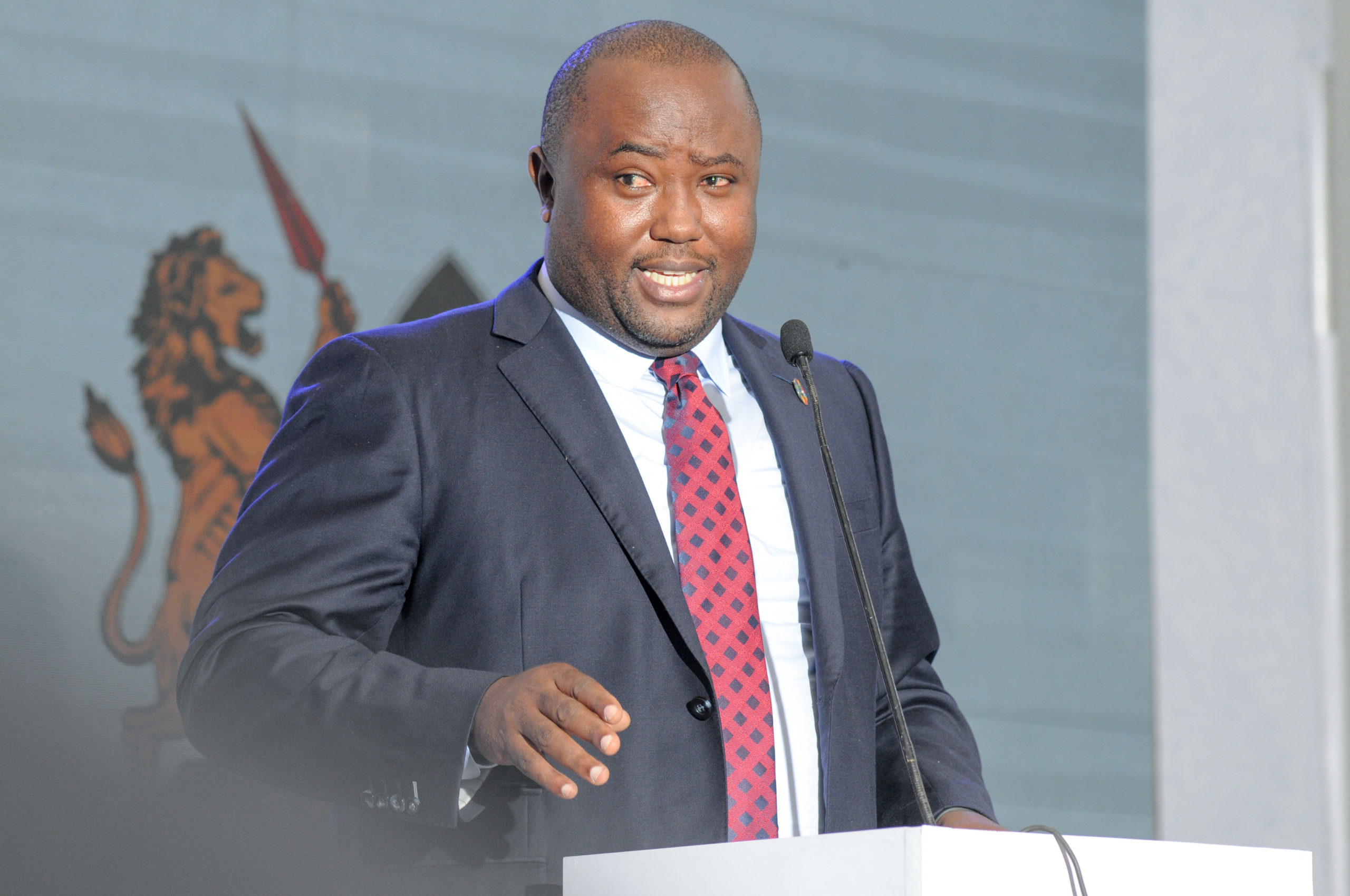
Energy Principal Secretary Alex Wachira revealed that the strategic investment combines a $294 million (Sh42 billion) last-mile connectivity initiative with an $84 million (Sh12 billion) rural acceleration program specifically targeting 14 underserved counties with high growth potential.
“We’re connecting between 480,000 and 600,000 households to the national grid, effectively creating entirely new consumer markets in previously neglected regions,” Wachira told investors and community stakeholders during the launch of connections in Kiambu County’s Thika East district.
The investment strategy allocates $72 million (Sh10.3 billion) to the economically significant Mt. Kenya region, with Kiambu County—a key manufacturing and agricultural hub—receiving a targeted $2.93 million (Sh419 million) allocation that will connect 2,700 households to the grid.
“This initial phase runs through November, after which we’ll launch our African Development Bank-funded expansion to accelerate our market penetration strategy,” Wachira explained. “The comprehensive investment roadmap aims to achieve 100% market coverage by 2030, positioning Kenya as East Africa’s most electrified economy.”
Industry experts note the initiative represents more than infrastructure development—it’s a calculated economic stimulus targeting Kenya’s untapped rural consumer base. Each newly connected household represents potential market entry points for appliance manufacturers, digital service providers, and small business enterprises.
Thika MP Alice Ng’ang’a, representing a key manufacturing constituency, highlighted the investment’s multiplier effect: “With 1,750 families in our district gaining electricity access, we anticipate immediate growth in small-scale manufacturing, digital commerce, and service industry expansion. The investment simultaneously addresses security overhead costs that have historically deterred business investment in these regions.”

Dr. Rose Mukalama, CEO of Rural Electrification and Renewable Energy Corporation, emphasized the zero-entry cost model designed to maximize adoption rates. “The government’s full subsidy approach eliminates connection fees entirely, removing the primary barrier to market entry for low-income consumers,” she noted, while warning that infrastructure security remains a critical factor in maintaining the initiative’s ROI.
Market analysts project the electrification push could boost GDP in newly connected regions by up to 8% through extended business hours, manufacturing capabilities, and digital connectivity—a significant efficiency gain for Kenya’s rural economy that has historically operated under energy constraints.
The investment represents one of the largest infrastructure market expansions in Kenya’s development portfolio, strategically aligned with the country’s economic blueprint to stimulate growth from previously underserved regions while creating new consumer markets for both domestic and international businesses.


Ray ID: 8f3a2c1b9d4e5f6a · Performance & security by Cloudflare
site-verification-ok