By International Diplomacy Correspondent
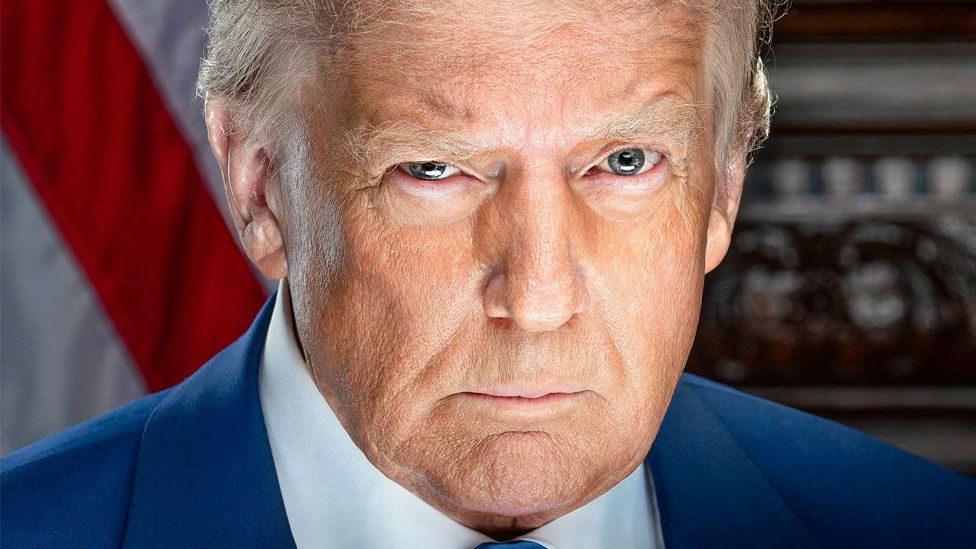
(Washington) President Donald Trump’s much-touted “force of personality” diplomacy hit a sobering reality check Monday following his two-hour call with Russian President Vladimir Putin, revealing the limits of personal deal-making in resolving the entrenched Russia-Ukraine conflict.
Despite advance billing from the White House as a potential breakthrough moment where Trump would bring his dealmaker prowess to bear—even suggesting it was “turkey time” for Putin—the call instead highlighted how the Kremlin continues to dictate terms while offering minimal concessions.
“It feels to me that the president maybe didn’t really try to pressure Putin at all,” noted Beth Sanner, former deputy director of national intelligence. “This is a call that I think it’s really hard to see in any other way than Putin seemed to get exactly what he wanted.”
The call’s aftermath revealed Trump essentially adopting Moscow’s negotiating framework: talks would proceed while combat continues, with no preconditions for Russia to halt its deadly offensive operations. This stance directly contradicts Ukraine and European allies’ proposal for a 30-day ceasefire to create space for meaningful peace discussions.
Trump’s post-call comments further undermined his leverage, suggesting America might simply “back away” if progress stalls. “I tell you, big egos involved, but I think something’s going to happen. And if it doesn’t, I just back away and they’re going to have to keep going,” Trump told reporters.
While claiming that Putin “wants to do it,” Trump declined to use America’s considerable economic and military leverage. When asked why he wouldn’t impose additional sanctions on Russia, Trump offered only a vague suggestion that “there could be a time where that’s going to happen”—a threat without credible deadline or specifics.
The president also renewed complaints about Ukraine aid costs, signaling to both Putin and Zelensky that additional military support remains unlikely. “We gave a massive amount… It’s just a shame,” Trump lamented.
Ukrainian President Volodymyr Zelensky, despite diplomatic restraint, publicly contradicted Trump’s approach in a statement calling for stronger sanctions if Russia refuses to stop killing Ukrainians. He also warned that American disengagement would only benefit Putin: “It is crucial for all of us that the United States does not distance itself from the talks and the pursuit of peace.”
Perhaps most telling was the Kremlin’s assessment of the conversation. Presidential aide Yury Ushakov revealed that “neither of them wanted to end the conversation and hang up,” comments that will do little to ease concerns about Trump’s susceptibility to Putin’s influence.
Russia’s official statement emphasized that ending the war requires addressing its “root causes”—code for demands that Ukraine surrender its sovereignty and adopt a Moscow-friendly government. As one analyst put it, “Putin wants peace, but only on terms that it would be impossible for Ukraine to accept while remaining an independent nation.”
The reality of Trump’s “dealmaker” approach has now become painfully clear. Complex conflicts stemming from historical grievances and existential national concerns cannot be solved through brief conversations and personal chemistry. While Trump operates on a timeline of days and weeks, Putin is waging a generational struggle with strategic patience.
As Trump himself wondered weeks ago whether Putin was merely “tapping me along,” Monday’s call answered the question decisively: the tapping continues, and Ukraine’s suffering with it.


Ray ID: 8f3a2c1b9d4e5f6a · Performance & security by Cloudflare
site-verification-ok