
By TCPN Energy Correspondent
Kenya’s energy sector is experiencing a significant transformation, driven by rising demand, renewable energy growth, and expanding cross-border electricity trade. Yet persistent inefficiencies threaten to short-circuit the momentum.
A report by the Energy and Petroleum Regulatory Authority (EPRA) shows that electricity generation rose by 6.13% in the first half of the 2024/25 financial year, reaching 7,222.37 GWh, up from 6,805.28 GWh in the same period the previous year.
The increase was fueled by industrial expansion and a growing base of domestic and commercial users, the Bi-Annual Energy & Petroleum Statistics Report 2024/2025 states.
“We are witnessing strong uptake across sectors, especially from manufacturing, commercial real estate, and the digital economy,” said Daniel Kiptoo, Director General of EPRA, in the report’s foreword.
Kenya’s peak electricity demand hit 2,288.35 MW on October 29, 2024—a new record. This reflects growing economic activity, as well as the country’s expanding transmission infrastructure. The commissioning of the Kenya-Tanzania 400kV transmission line in December 2024 opened new opportunities for power exchange and regional trade.
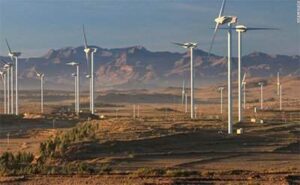
According to the report, Kenya continues to make strong progress in its renewable energy portfolio. Renewables now account for over 81.16% of the national energy mix. Geothermal energy remains dominant, though its share dipped to 39.81% due to the rehabilitation of Olkaria I and a surge in cheaper imports from Ethiopia.
Hydropower contributed 24.74% to the grid, up from 22.54%, buoyed by improved hydrology. Wind and solar accounted for 13.46% and 13.57%, respectively.
Table 1: Electricity Generation Mix as of December 2024
|
Source |
Share (%) |
Energy Generated (GWh) |
|
Geothermal |
39.81% |
2,875.33 |
|
Hydro |
24.74% |
1,786.90 |
|
Wind |
13.46% |
971.90 |
|
Solar |
13.57% |
~981.0 (est.) |
|
Thermal |
8.42% |
608.46 |
|
Imports (Ethiopia, Tanzania) |
10.41% |
751.95 |
Industrial consumers remained the largest electricity users, absorbing 2,807.10 GWh, or 51.18% of total consumption. Nairobi region alone consumed 2,415.44 GWh, accounting for 44% of all power usage, reflecting its concentration of manufacturing, logistics, and commercial activity.
Domestic users followed, consuming 1,728.19 GWh, while small commercial enterprises used 902.94 GWh. Notably, electricity consumption by the electric mobility sector rose to 1.81 GWh, a sixfold increase from last year.
Table 2: Consumption by Customer Category (GWh)
|
Category |
Consumption (GWh) |
Share (%) |
|
Industrial |
2,807.10 |
51.18% |
|
Domestic |
1,728.19 |
31.51% |
|
Small Commercial |
902.94 |
16.46% |
|
Street Lighting |
44.48 |
0.81% |
|
E-Mobility |
1.81 |
0.03% |
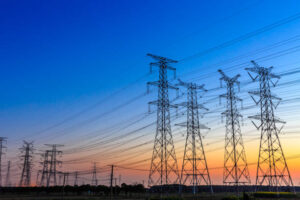
Despite the positive trends, serious concerns remain about grid efficiency and reliability. The report notes that system losses rose to 24.2%, well above the regulatory target of 17.5%. These losses include both technical losses and commercial ones—stemming from illegal connections and billing inefficiencies.
Electricity reliability also declined, with the System Average Interruption Duration Index (SAIDI) standing at 9.15 hours/month, nearly triple EPRA’s target of 3.25. The System Average Interruption Frequency Index (SAIFI) reached 3.57 interruptions/month, more than double the accepted threshold.
“These reliability indices not only affect businesses’ productivity but also raise questions about return on investment for large consumers,” noted Dr. John Mutua, EPRA’s Director of Economic Regulation.
Electricity tariffs remained volatile, with domestic users in the DC3 category (over 100 kWh/month) paying an average of Ksh. 28.57 per kWh. This includes a base tariff of Ksh. 19.08, plus pass-through costs (Ksh. 4.96) and taxes/levies (Ksh. 4.67).
Time-of-Use (ToU) tariffs offered some relief, saving customers Ksh. 688.7 million during the period. However, fewer customers shifted their usage to off-peak hours, and total savings declined from Ksh. 890.6 million in the same period last year.
Captive power generation—mostly solar PV—continues to rise, now comprising 15% of total installed capacity. Private mini-grids also saw growth, especially in rural areas under initiatives like the Kenya Electrification Modernization Project (KEMP).
EPRA approved new tariffs for four private mini-grid operators during the period, while REREC and development partners built hybrid systems in underserved counties such as Turkana and Marsabit.
The report paints a picture of a sector with tremendous potential, powered by renewable energy, regional trade, and digital transformation. But to unlock its full value, Kenya must urgently address its high system losses, invest in grid reliability, and modernize tariff structures.
The real question isn’t whether Kenya is generating enough power—but whether it can deliver it reliably, efficiently, and affordably.


Ray ID: 8f3a2c1b9d4e5f6a · Performance & security by Cloudflare
site-verification-ok